Resources

Here you'll find the practical tools, materials and resources that were created as part of our initiatives

Filters
    Thematics
    Search

    Common Ground continues back home

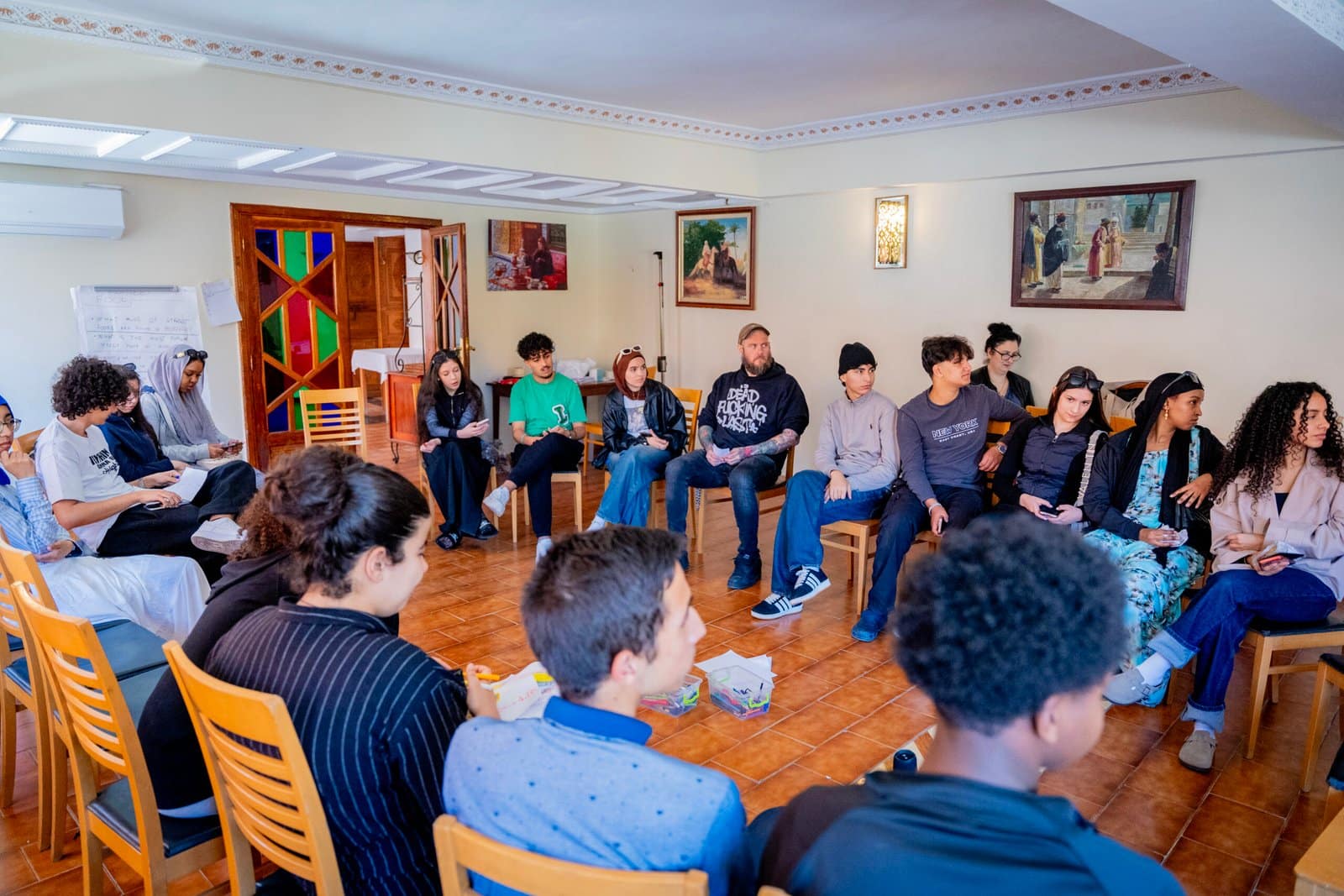
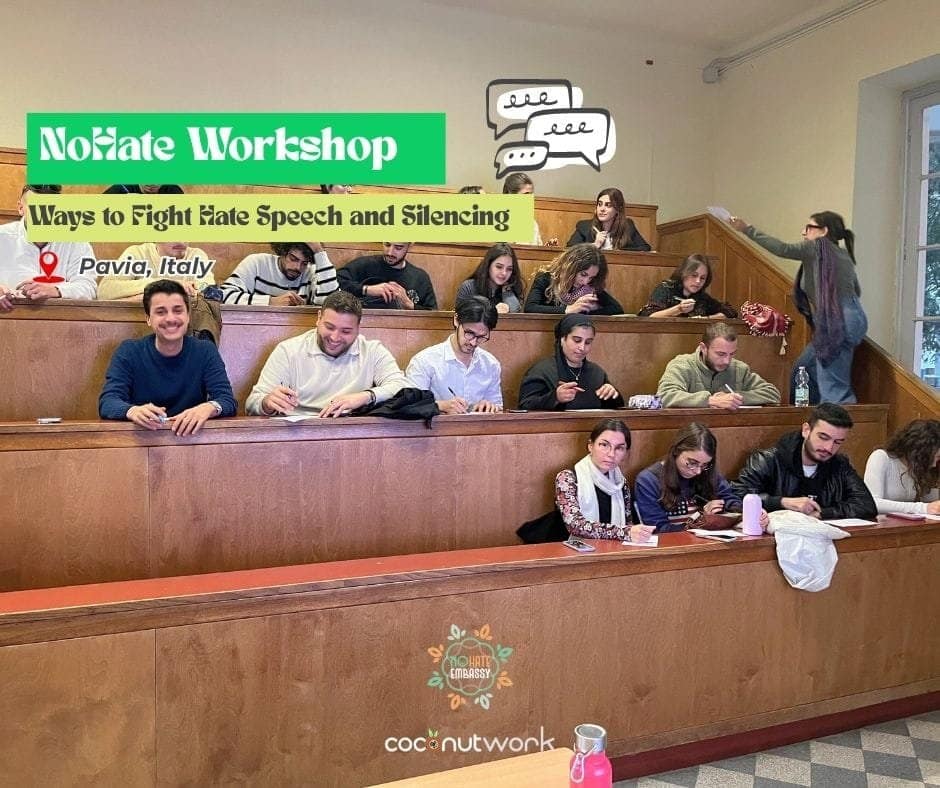
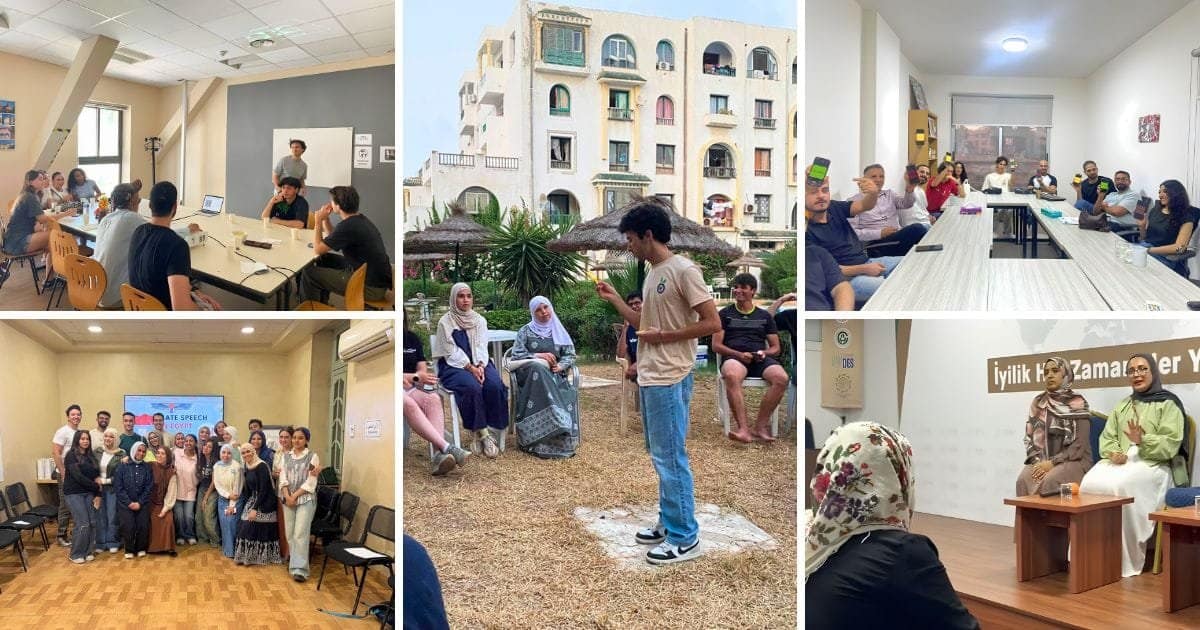
    Our Common Ground participants have been busy this summer! After returning from the Erasmus+ exchange in Marrakech, they organised eight local sessions across six countries, bringing together more than 160 people. Each team chose an issue that mattered in their community and took on the work of organising and leading the sessions. People brought their own experiences into the discussions, from everyday racism to the abuse that can surround football rivalries. In Egypt and Jordan, some conversations even ran longer than planned because participants had so much to share. Here’s what the teams worked on: For our teams, this meant putting their learning to use with people in their own communities and gaining experience in leading activities themselves. For those attending, it was a chance to discuss concerns that can be difficult to raise and learn from others facing similar situations. Big thanks to our participants for taking the initiative! We couldn’t be more proud of what they achieved together ❤️
    Common Ground: Digital Hate and Community Action

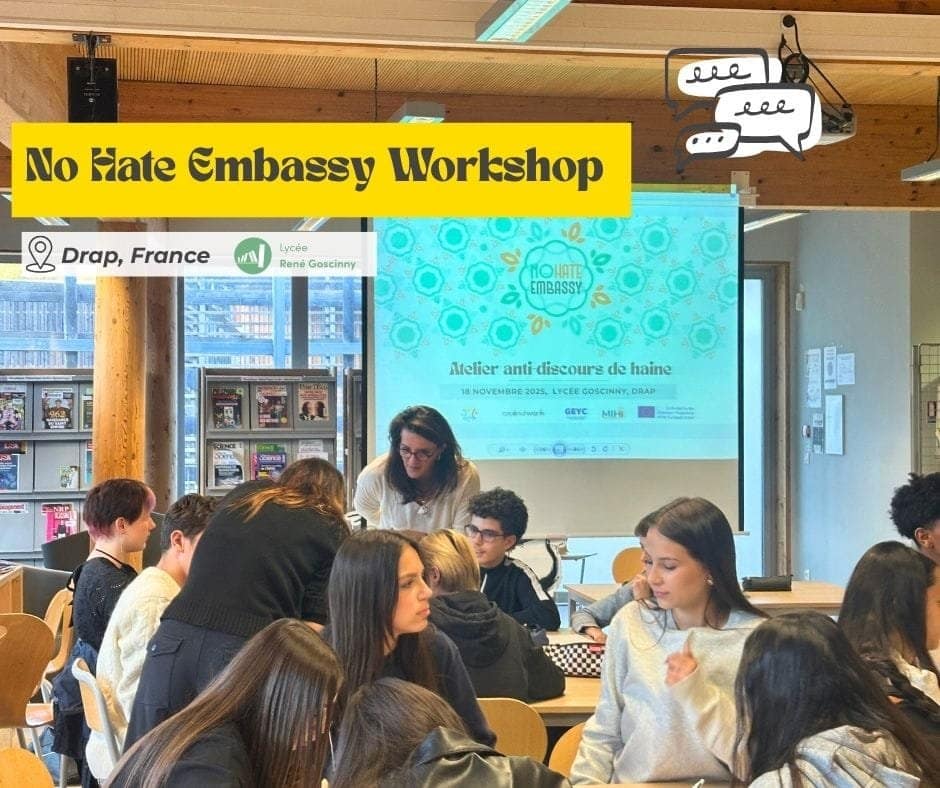
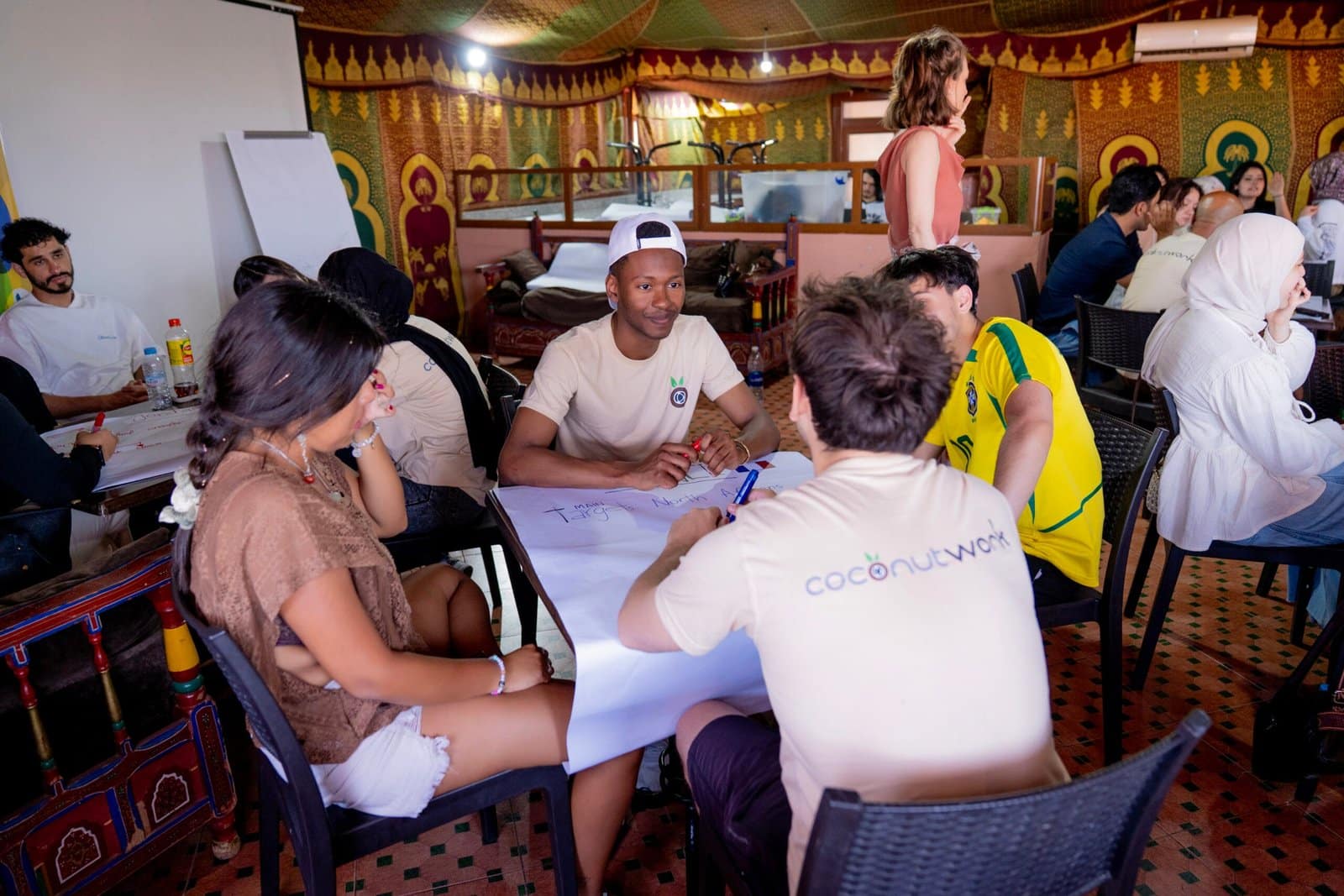
    As Common Ground moved into its second half, participants shifted from understanding how digital hate spreads to practising ways to respond to it safely and constructively. They worked with the Pause-Check-Choose routine to slow down automatic reactions online, acted out realistic hate speech scenarios, explored digital safety habits, and started developing practical tools such as scenario cards and pocket reminders. The final days focused on turning that learning into action. Each national team designed a workshop to take back to their local community, adapting the project methods to issues relevant in their own context: 📌 Turkey: supporting migrant women📌 Egypt: social class stereotypes and discriminatory language📌 France: hate speech targeting North African immigrants📌 Germany: responding to hate speech in everyday life📌 Jordan: hate speech in sports and fan culture📌 Morocco: hate speech targeting Sub-Saharan migrants📌 Sweden: online safety for teenagers📌 Tunisia: cyberbullying and the Pause-Check-Choose method With the exchange complete, the next step was putting these ideas into practice through local workshops and sharing the methods with more young people.

    Common Ground Youth Exchange Begins in Marrakech

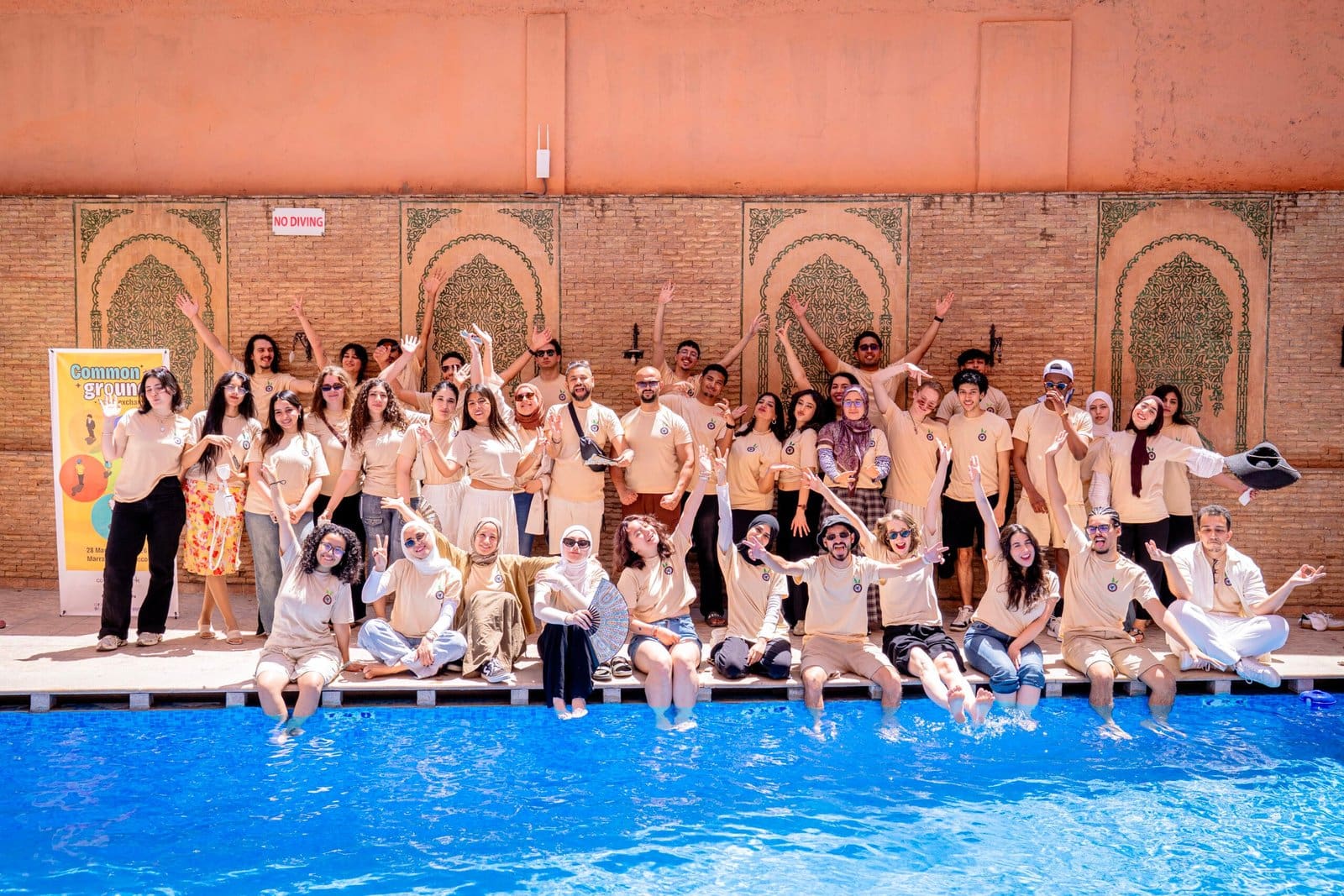
    At the end of May 2026, 40 young people from eight countries came together in Marrakech for Common Ground, an Erasmus+ Youth Exchange focused on one of the challenges young people increasingly face in their everyday lives: online hate speech. The project looked at how hate spreads through group chats, short-form video, social media and other digital spaces, often targeting people who are already vulnerable. Rather than focusing only on large campaigns, Common Ground centred on small, repeatable habits that young people could use in everyday situations to recognise hate, respond safely and keep dialogue open across differences. During the first days, participants got to know one another, built a shared foundation for the exchange and explored how hate speech spreads online, including how messages can be distorted, framed and amplified before reaching us. They also compared the realities of digital hate across their countries, looking at how issues such as migration, identity, gender and sexual orientation appear in different contexts. A key part of the project was learning practical ways to respond. Participants worked with the “Pause, Check, Choose” approach, reflected on the harm caused by rumours and hate speech, and practised simple responses such as asking for a

    A Week of Food, Culture and New Connections

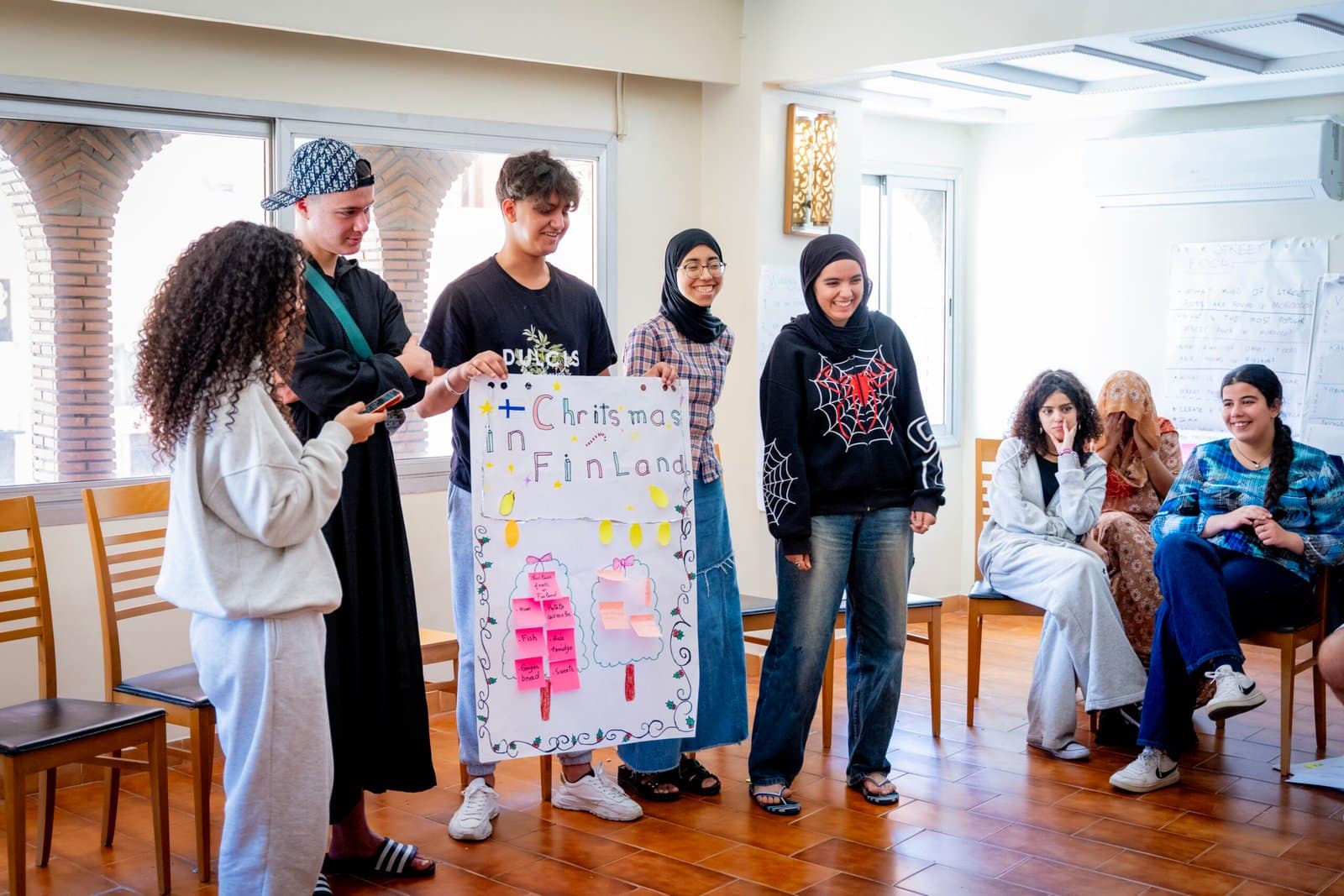
    “I never felt like I was in a youth exchange. It felt like I was at home, talking with my brothers and sisters.” — Douae, participant That quote summed up the experience pretty well. By the end of Lost in Marrakech, what had started with 20 young people from Morocco and Finland had grown into a close-knit group, brought together through shared meals, activities, conversations and plenty of time spent discovering Marrakech together. Throughout the week, participants explored culture through food: markets, street food, home-cooked meals, celebrations, spices and cooking techniques. Food became a way to understand not only what people eat, but the traditions, habits and stories behind it. One of the highlights was creating four original recipes combining Moroccan and Finnish food traditions: LihaShuka, Msemen-Pirraka, Lohi Sahara and Salmon Tajine. But the exchange went well beyond food. Participants left with a greater openness towards cultural differences, a deeper appreciation of one another’s backgrounds and new friendships.

    Lost in Marrakech: Connecting Cultures Through Food

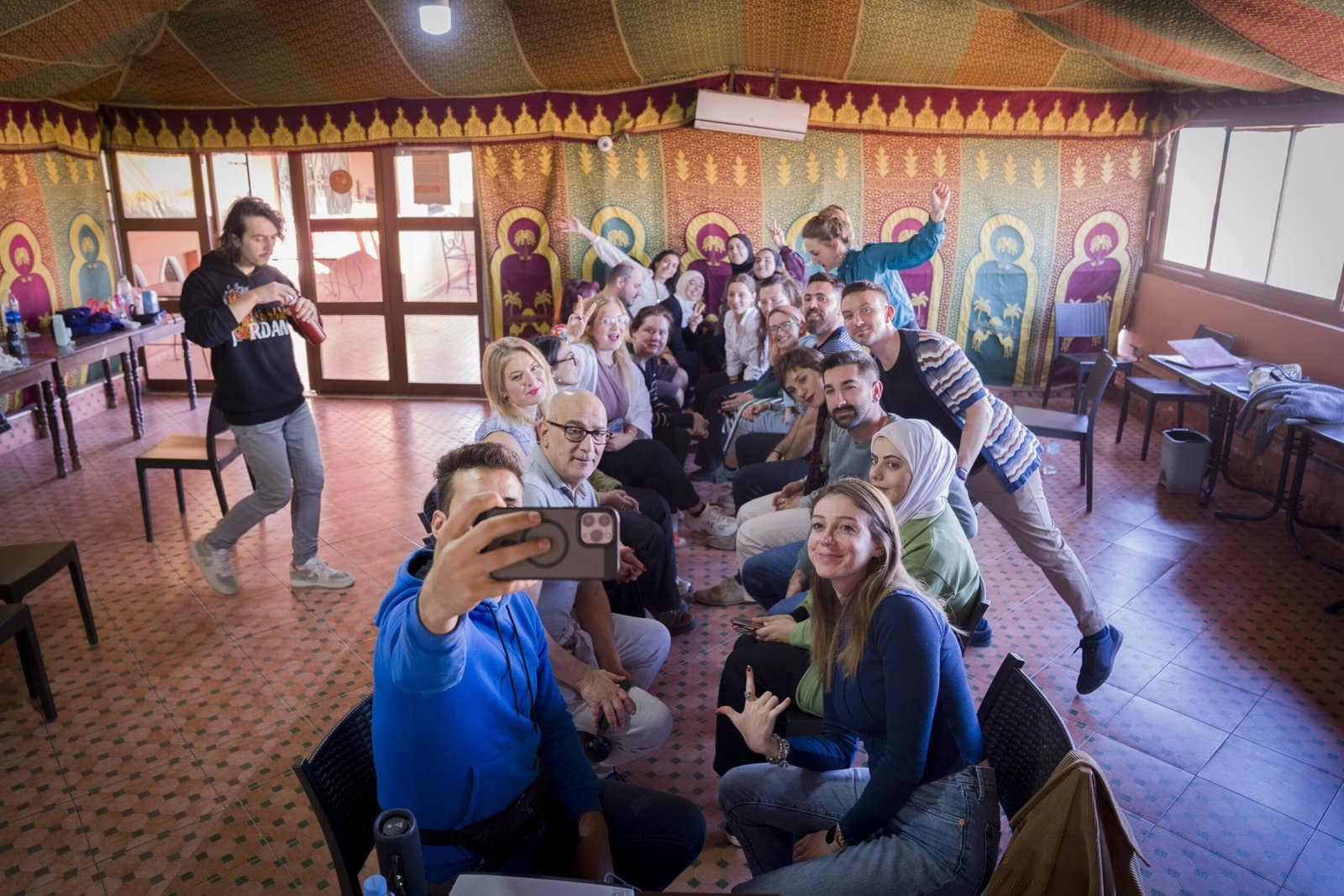
    Earlier this year, Morocco and Finland came together around the same table in Marrakech ❤️ We welcomed 20 young participants for Lost in Marrakech, an Erasmus+ Youth Exchange built around cultural discovery, everyday life and identity. Food was at the heart of the exchange 🍲, giving participants a hands-on way to explore the similarities and differences between Moroccan and Finnish cultures. Over the course of the programme, they:🌟 Got to know each other and built connections across cultures🌟 Explored traditions, daily practices and different ways of life🌟 Compared everyday meals and culinary traditions🌟 Used food as a starting point for deeper conversations about culture and identity It was a week full of exchange, curiosity and plenty of shared meals along the way 🍽️ In partnership with Helsinki International Youth Work.

    No Hate Embassy: Two Years of Action in One Report

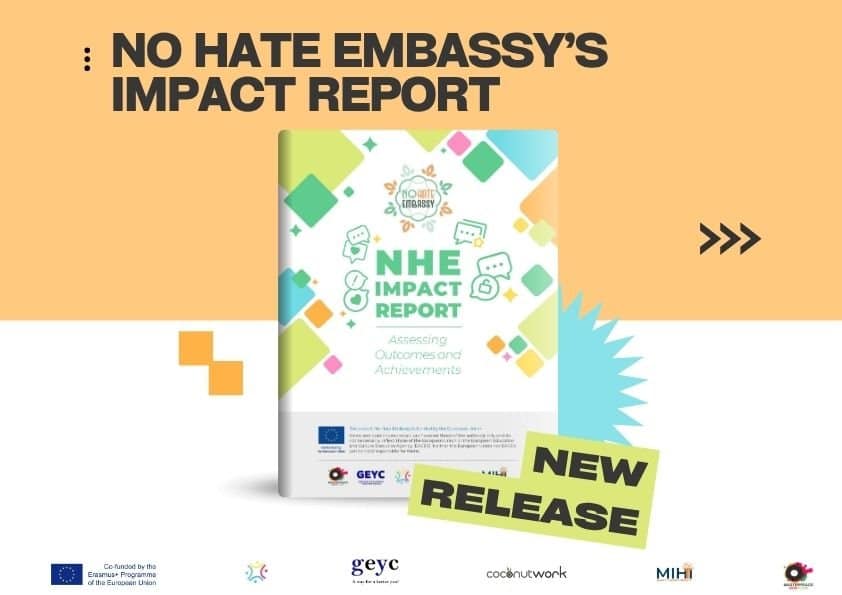
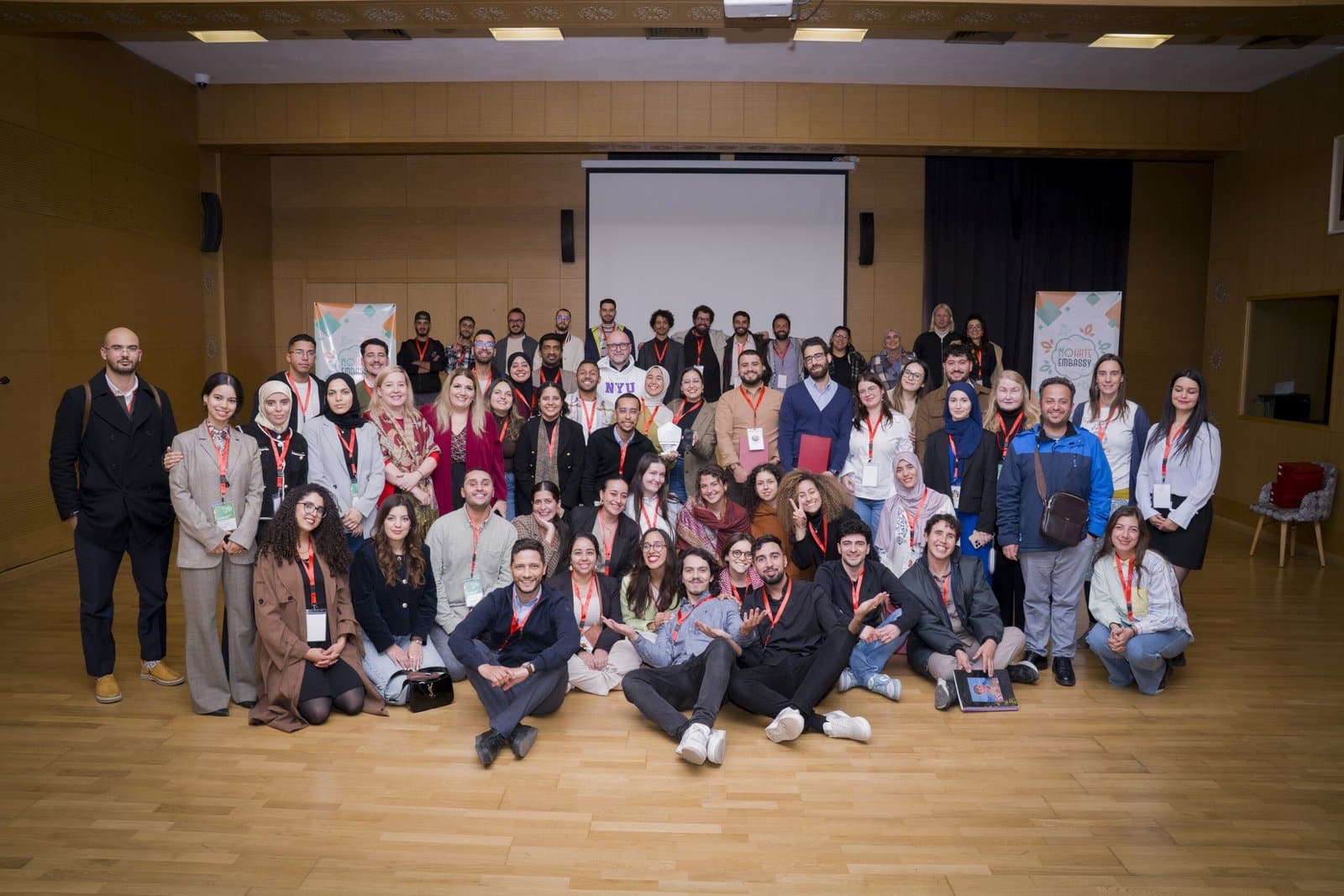
    The No Hate Embassy Impact Report looks back at the full journey of the programme and documents how it supported young people and civil society actors in recognising, challenging and responding to hate speech. It brings together the impact achieved, the numbers behind it, and a detailed account of the activities and strategies that shaped the programme. Some of this work was highly visible through trainings, campaigns and events, while other parts happened quietly behind the scenes. The report is also meant to be useful beyond No Hate Embassy itself: a resource that others working against hate speech can learn from, adapt and build on in their own contexts. Read the full report through the link. 🔗

    Pop It Up: Debunking Populism and Hate Speech in Romania

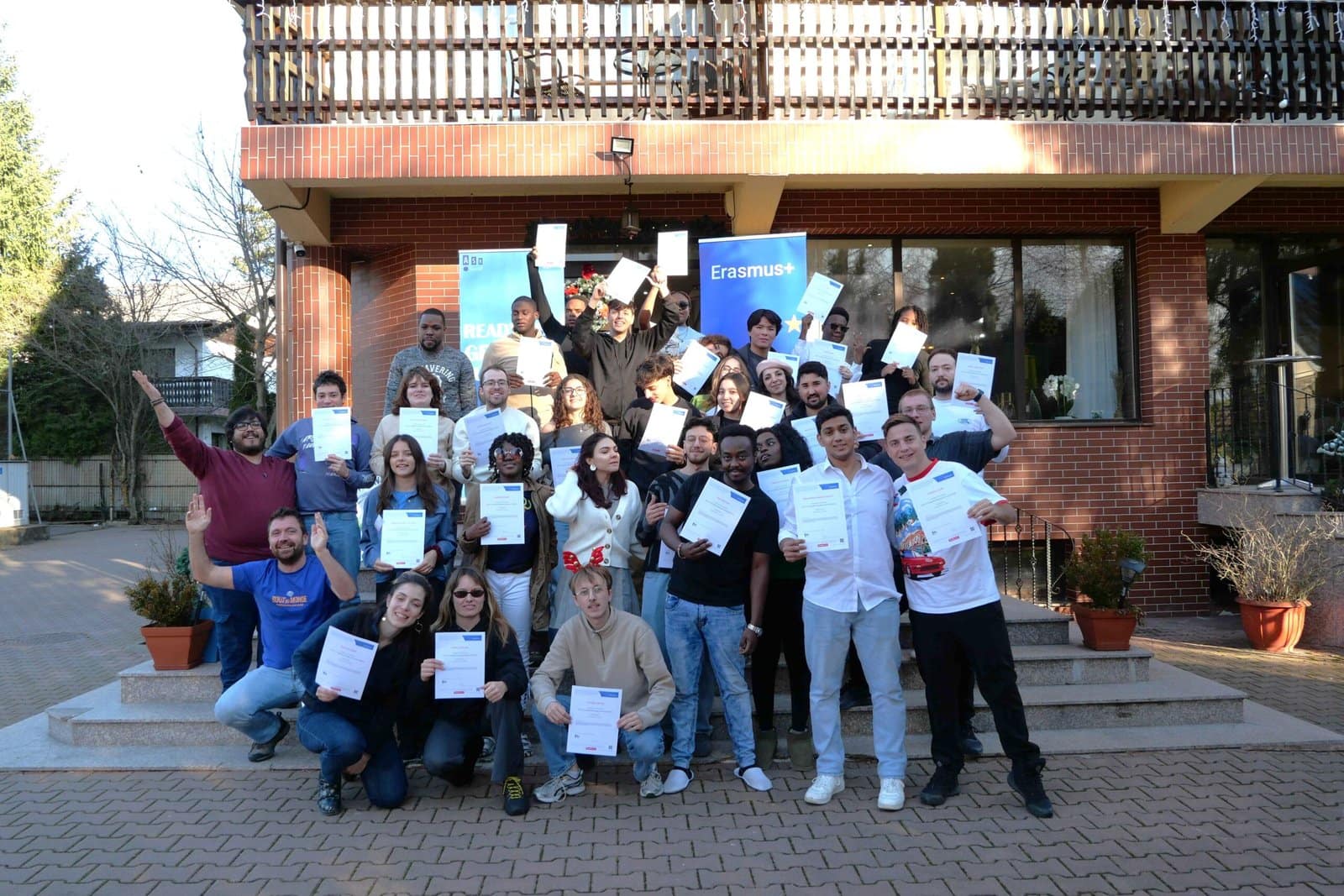
    In December 2025, young people from France, Germany, Romania, Italy and Saint Martin met in Bușteni, Romania, for Pop It Up: Debunk Populism, Stop Hate Speech, an Erasmus+ youth exchange focused on how populism, hate speech and polarising narratives show up in everyday life. Over the course of the exchange, participants looked at topics such as fake news, manipulation, radicalisation and online hate, while discussing how these affect the way people think, communicate and take part in society. Through workshops, debates, group activities and other non-formal learning methods, they worked on strengthening their critical thinking and media literacy, and on becoming more confident in recognising and questioning harmful narratives. There was also plenty of space for reflection and exchange. Activities touched on active citizenship, diversity and personal values, giving participants the chance to compare experiences from different countries and challenge some of their own assumptions along the way. More than anything, Pop It Up created a space where young people could talk openly, learn from one another and think about how to respond to hate and polarisation both online and offline. By the end of the week, participants left with new tools, new perspectives and a stronger sense of how

    Bridging, Breaking Barriers Training Kicks Off in Marrakech

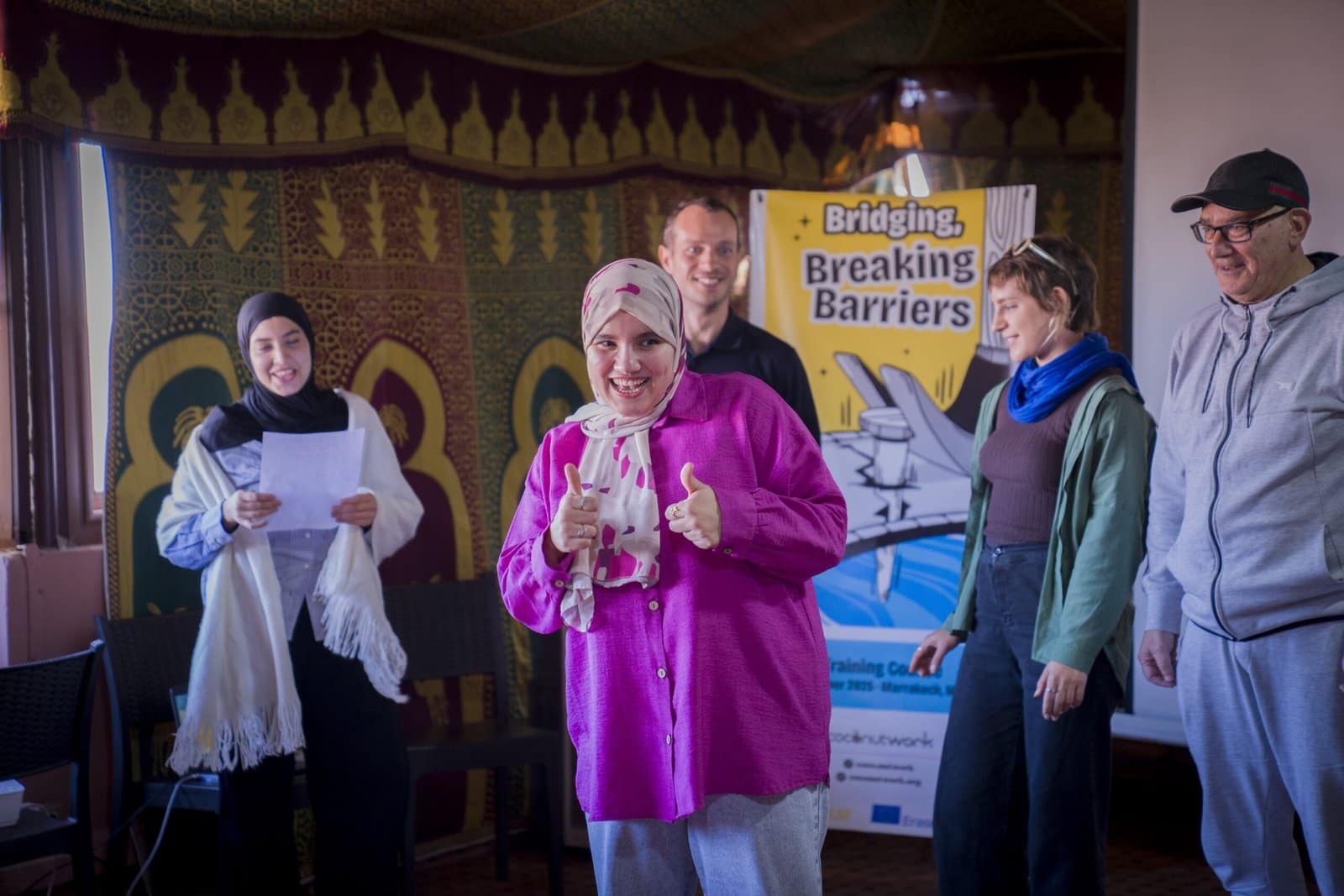
    In December 2025 we went on a mission to bridge cultures and break a few barriers along the way. Together with EGLSF, we kicked off Bridging, Breaking Barriers, an Erasmus+ training bringing together youth workers from across the Euro-Mediterranean region to look at how gender norms, stereotypes and hate shape our societies, and how youth work can respond through advocacy and stronger youth-led action. The programme began with icebreakers and activities to set the foundation for the week ahead before moving into deeper discussions. Participants refreshed key gender concepts, explored gender-based hate and reflected on the stereotypes present in everyday life. The group also looked at these issues from a national perspective, examining how gender rights played out in their respective countries through legislation, media narratives and the social norms people navigate every day. It was a strong start to a week dedicated to questioning assumptions, exchanging perspectives and developing practical approaches to gender equality and inclusion.

    Common Ground continues back home

    Our Common Ground participants have been busy this summer! After returning from the Erasmus+ exchange in Marrakech, they organised eight local sessions across six countries, bringing together more than 160 people. Each team chose an issue that mattered in their community and took on the work of organising and leading the sessions. People brought their own experiences into the discussions, from everyday racism to the abuse that can surround football rivalries. In Egypt and Jordan, some conversations even ran longer than planned because participants had so much to share. Here’s what the teams worked on: For our teams, this meant putting their learning to use with people in their own communities and gaining experience in leading activities themselves. For those attending, it was a chance to discuss concerns that can be difficult to raise and learn from others facing similar situations. Big thanks to our participants for taking the initiative! We couldn’t be more proud of what they achieved together ❤️
    Read More »
    Common Ground: Digital Hate and Community Action

    As Common Ground moved into its second half, participants shifted from understanding how digital hate spreads to practising ways to respond to it safely and constructively. They worked with the Pause-Check-Choose routine to slow down automatic reactions online, acted out realistic hate speech scenarios, explored digital safety habits, and started developing practical tools such as scenario cards and pocket reminders. The final days focused on turning that learning into action. Each national team designed a workshop to take back to their local community, adapting the project methods to issues relevant in their own context: 📌 Turkey: supporting migrant women📌 Egypt: social class stereotypes and discriminatory language📌 France: hate speech targeting North African immigrants📌 Germany: responding to hate speech in everyday life📌 Jordan: hate speech in sports and fan culture📌 Morocco: hate speech targeting Sub-Saharan migrants📌 Sweden: online safety for teenagers📌 Tunisia: cyberbullying and the Pause-Check-Choose method With the exchange complete, the next step was putting these ideas into practice through local workshops and sharing the methods with more young people.

    Read More »
    Common Ground Youth Exchange Begins in Marrakech

    At the end of May 2026, 40 young people from eight countries came together in Marrakech for Common Ground, an Erasmus+ Youth Exchange focused on one of the challenges young people increasingly face in their everyday lives: online hate speech. The project looked at how hate spreads through group chats, short-form video, social media and other digital spaces, often targeting people who are already vulnerable. Rather than focusing only on large campaigns, Common Ground centred on small, repeatable habits that young people could use in everyday situations to recognise hate, respond safely and keep dialogue open across differences. During the first days, participants got to know one another, built a shared foundation for the exchange and explored how hate speech spreads online, including how messages can be distorted, framed and amplified before reaching us. They also compared the realities of digital hate across their countries, looking at how issues such as migration, identity, gender and sexual orientation appear in different contexts. A key part of the project was learning practical ways to respond. Participants worked with the “Pause, Check, Choose” approach, reflected on the harm caused by rumours and hate speech, and practised simple responses such as asking for a

    Read More »
    A Week of Food, Culture and New Connections

    “I never felt like I was in a youth exchange. It felt like I was at home, talking with my brothers and sisters.” — Douae, participant That quote summed up the experience pretty well. By the end of Lost in Marrakech, what had started with 20 young people from Morocco and Finland had grown into a close-knit group, brought together through shared meals, activities, conversations and plenty of time spent discovering Marrakech together. Throughout the week, participants explored culture through food: markets, street food, home-cooked meals, celebrations, spices and cooking techniques. Food became a way to understand not only what people eat, but the traditions, habits and stories behind it. One of the highlights was creating four original recipes combining Moroccan and Finnish food traditions: LihaShuka, Msemen-Pirraka, Lohi Sahara and Salmon Tajine. But the exchange went well beyond food. Participants left with a greater openness towards cultural differences, a deeper appreciation of one another’s backgrounds and new friendships.

    Read More »
    Lost in Marrakech: Connecting Cultures Through Food

    Earlier this year, Morocco and Finland came together around the same table in Marrakech ❤️ We welcomed 20 young participants for Lost in Marrakech, an Erasmus+ Youth Exchange built around cultural discovery, everyday life and identity. Food was at the heart of the exchange 🍲, giving participants a hands-on way to explore the similarities and differences between Moroccan and Finnish cultures. Over the course of the programme, they:🌟 Got to know each other and built connections across cultures🌟 Explored traditions, daily practices and different ways of life🌟 Compared everyday meals and culinary traditions🌟 Used food as a starting point for deeper conversations about culture and identity It was a week full of exchange, curiosity and plenty of shared meals along the way 🍽️ In partnership with Helsinki International Youth Work.

    Read More »
    No Hate Embassy: Two Years of Action in One Report

    The No Hate Embassy Impact Report looks back at the full journey of the programme and documents how it supported young people and civil society actors in recognising, challenging and responding to hate speech. It brings together the impact achieved, the numbers behind it, and a detailed account of the activities and strategies that shaped the programme. Some of this work was highly visible through trainings, campaigns and events, while other parts happened quietly behind the scenes. The report is also meant to be useful beyond No Hate Embassy itself: a resource that others working against hate speech can learn from, adapt and build on in their own contexts. Read the full report through the link. 🔗

    Read More »
    Pop It Up: Debunking Populism and Hate Speech in Romania

    In December 2025, young people from France, Germany, Romania, Italy and Saint Martin met in Bușteni, Romania, for Pop It Up: Debunk Populism, Stop Hate Speech, an Erasmus+ youth exchange focused on how populism, hate speech and polarising narratives show up in everyday life. Over the course of the exchange, participants looked at topics such as fake news, manipulation, radicalisation and online hate, while discussing how these affect the way people think, communicate and take part in society. Through workshops, debates, group activities and other non-formal learning methods, they worked on strengthening their critical thinking and media literacy, and on becoming more confident in recognising and questioning harmful narratives. There was also plenty of space for reflection and exchange. Activities touched on active citizenship, diversity and personal values, giving participants the chance to compare experiences from different countries and challenge some of their own assumptions along the way. More than anything, Pop It Up created a space where young people could talk openly, learn from one another and think about how to respond to hate and polarisation both online and offline. By the end of the week, participants left with new tools, new perspectives and a stronger sense of how

    Read More »
    Bridging, Breaking Barriers Training Kicks Off in Marrakech

    In December 2025 we went on a mission to bridge cultures and break a few barriers along the way. Together with EGLSF, we kicked off Bridging, Breaking Barriers, an Erasmus+ training bringing together youth workers from across the Euro-Mediterranean region to look at how gender norms, stereotypes and hate shape our societies, and how youth work can respond through advocacy and stronger youth-led action. The programme began with icebreakers and activities to set the foundation for the week ahead before moving into deeper discussions. Participants refreshed key gender concepts, explored gender-based hate and reflected on the stereotypes present in everyday life. The group also looked at these issues from a national perspective, examining how gender rights played out in their respective countries through legislation, media narratives and the social norms people navigate every day. It was a strong start to a week dedicated to questioning assumptions, exchanging perspectives and developing practical approaches to gender equality and inclusion.

    Read More »